Biochar and its sustainability benefits
What is biochar?
Biochar is carbon-rich form of charcoal produced by heating organic waste like wood chips, crop residues, or manure in a low-oxygen or oxygen-free environment - a process called pyrolysis.
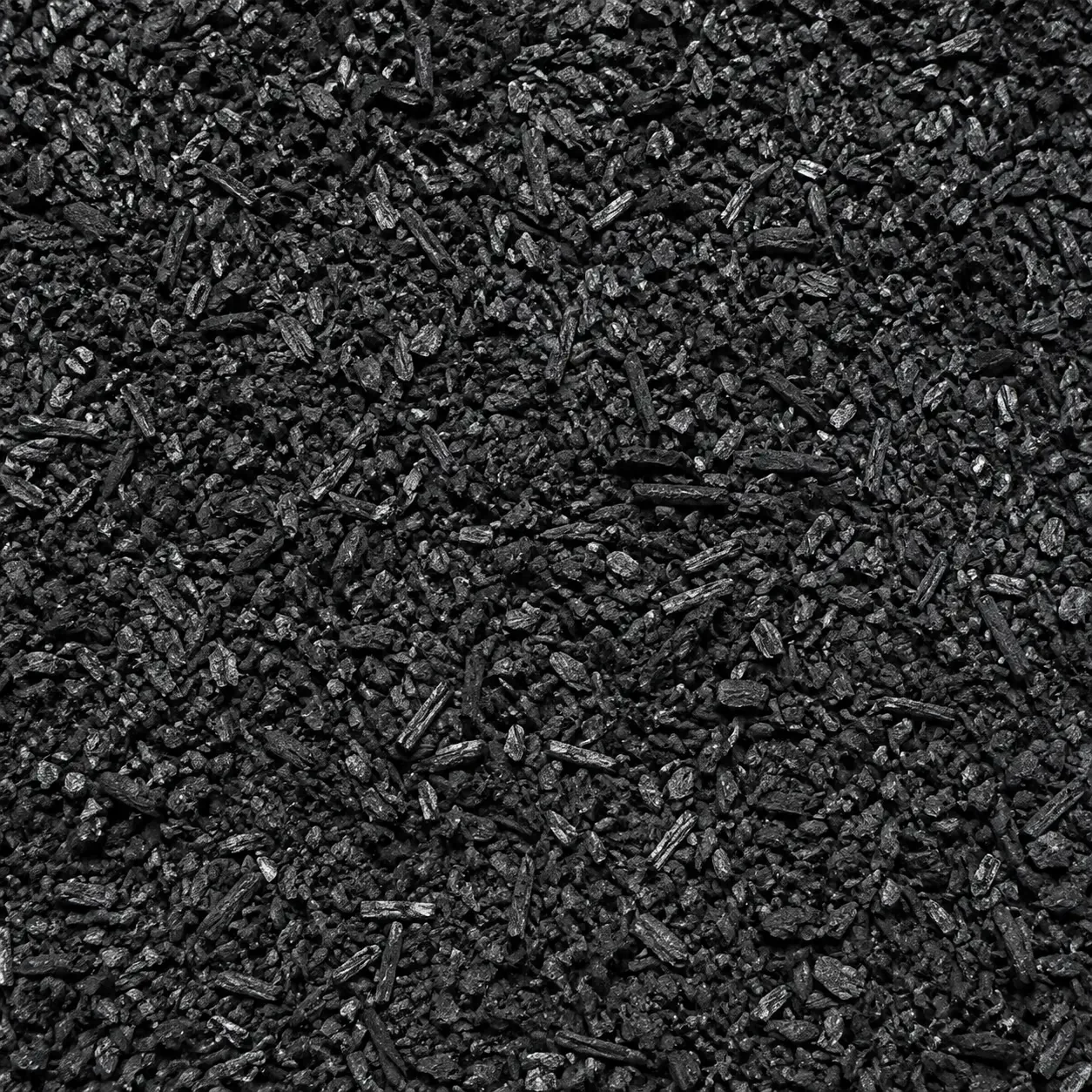
Biochar at 3mm
How It works and key benefits
• Soil Enhancement
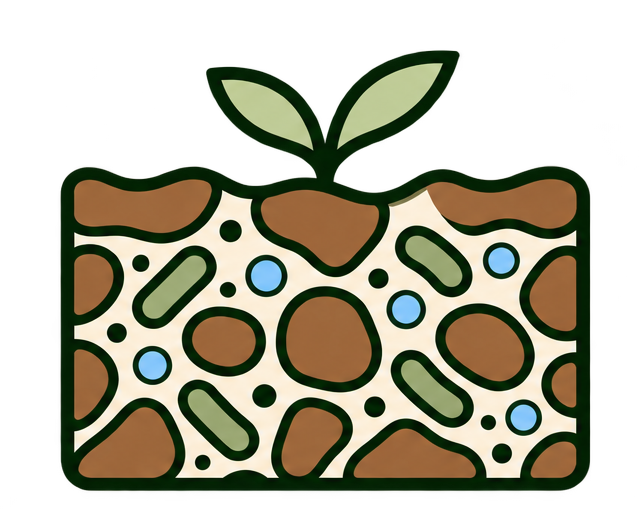
Biochar features an ultra-porous structure that acts as a sponge, retaining essential water and nutrients while preventing them from leaching away during watering or heavy rain.
• Microbial Habitat
It provides a permanent, microscopic scaffold that houses beneficial fungi and soil microbes, boosting overall soil fertility and root health.
• Carbon Sequestering
The Ithaka Institute tells us that one tonne of biochar locks in almost 3 tons of carbon into the ground for centuries, making it a powerful tool for carbon removal and climate change mitigation.
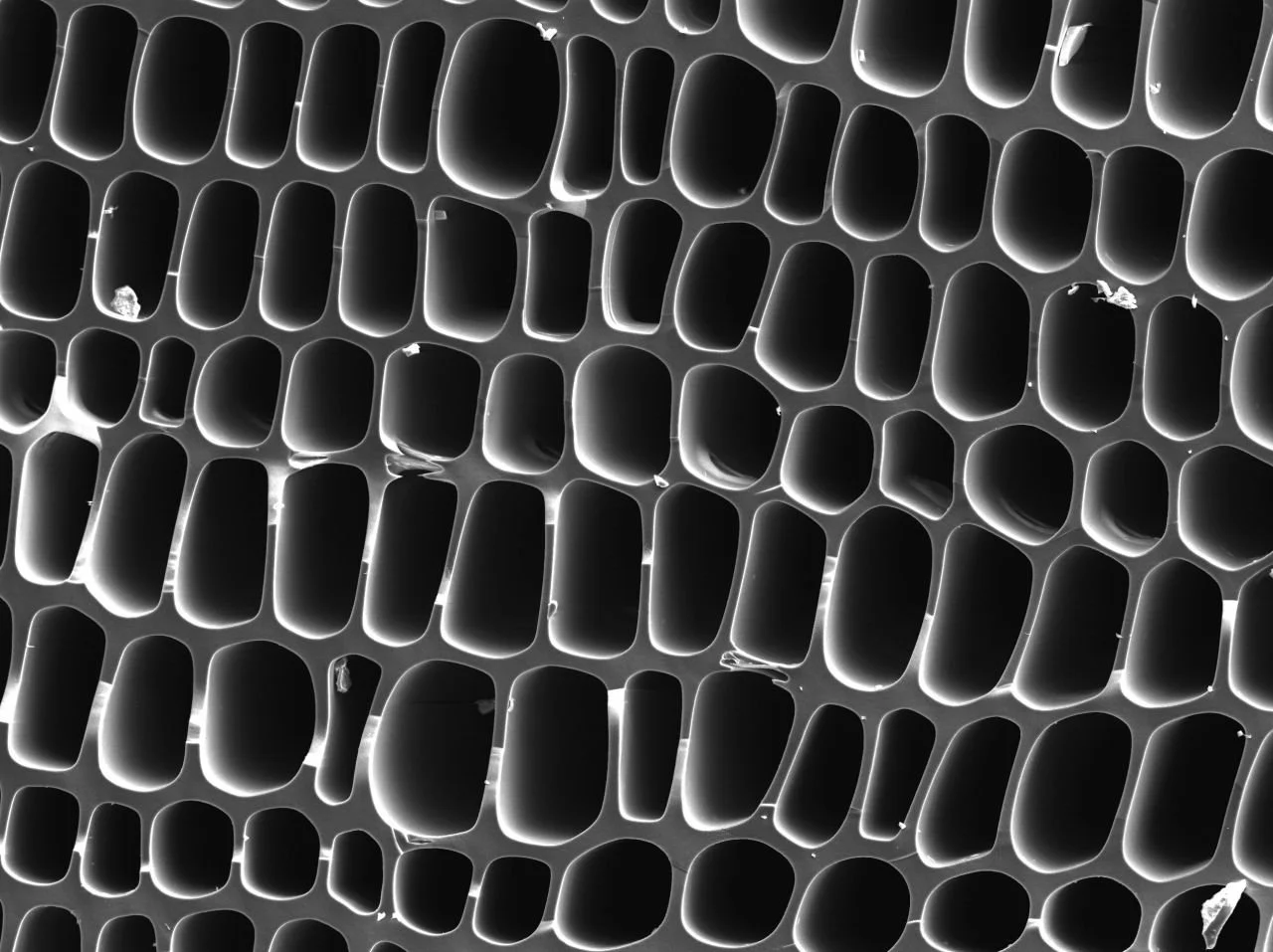
Biochar under a microscope displays its high surface area
How we use it
We boost the nutrient levels of biochar by adding:
Foundation UFU - a premium quality Leonardite granule.
Foundation HFU is a very rich source of Humic, Fulvic and Ulmic acids, and amongst other nutrients, it contains Nitrogen - All vital components to stimulate a microbial habitat.
Nitrogen is essential
Nitrogen is essential for photosynthesis, healthy leaves and stems, and the formation of plant proteins. However, it can be lost through leaching or released as gases. Biochar can help retain nitrogen, particularly ammonium, and may reduce leaching, helping keep this essential nutrient within the root zone.
Humic, fulvic and ulmic acids help to:
• Improve nutrient availability and uptake.
• Support beneficial soil microbes.
• Encourage root development and growth.
• Improve soil structure and nutrient retention.

Working with Soil Biology we create an injection blend suitable for each project’s requirements.
What our biochar blend achieves
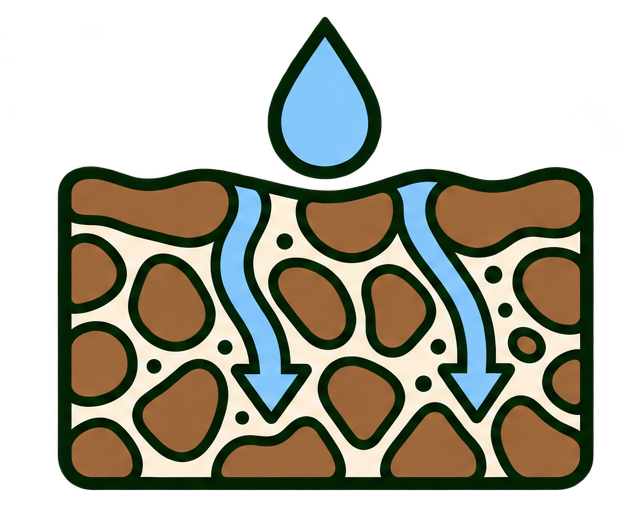
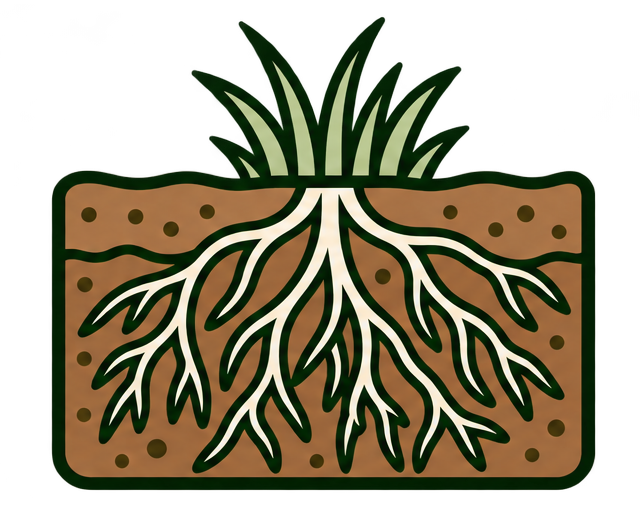
Enhances infiltration
Supports root activity

Supports beneficial microorganisms
Locks away carbon